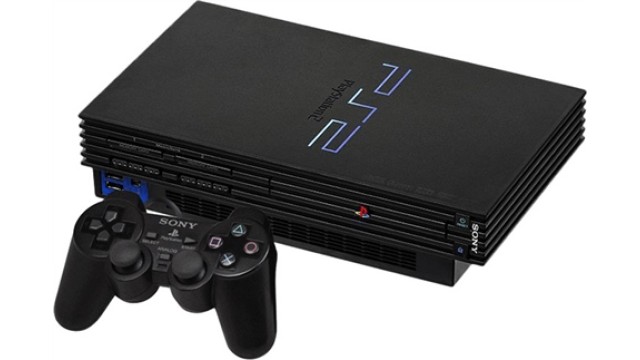
PlayStation 2
Manufacturer: Sony
Launches: 2000
Discontinued: 2013
Life span: 13 years
Units sold: 160 180 000
Generation: 6th
Country releases of PlayStation 2
 Japan: Japan: | 04/Mar/2000 | 39800 | ¥ |
 USA: USA: | 26/Oct/2000 | 299 | $ |
 United Kingdom: United Kingdom: | 24/Nov/2000 | 299 | £ |
 France: France: | 24/Nov/2000 | 2990 | ₣ |
 Germany: Germany: | 24/Nov/2000 | 869 | DM |
 Spain: Spain: | 24/Nov/2000 | 74900 | ₧ |
 PlayStation 2 technical specifications
CPU: Emotion Engine @ 294,912 MHz (128 bits)
Memory: 32 MB
 PlayStation 2 video specifications
PlayStation 2 graphics capabilities.
Video chip: GraphicsSynthesizer
Video connection: Component Video
 PlayStation 2 audio specifications
PlayStation 2 sound capabilities.
Audio chip: SPU1 + SPU2
Audio mode: 5.1
 Controllers of PlayStation 2
The launch of the PlayStation 2 introduced the DualShock 2 controller, an accessory that retained the iconic aesthetic layout of its predecessor while fundamentally overhauling its internal components. This hardware iteration became the definitive input method for the best-selling console ecosystem, combining subtle physical refinements with sophisticated analog pressure-sensing technology.
By integrating deeper tactile feedback mechanics, the device allowed developers to create far more immersive and nuanced control schemes across the entire software library.
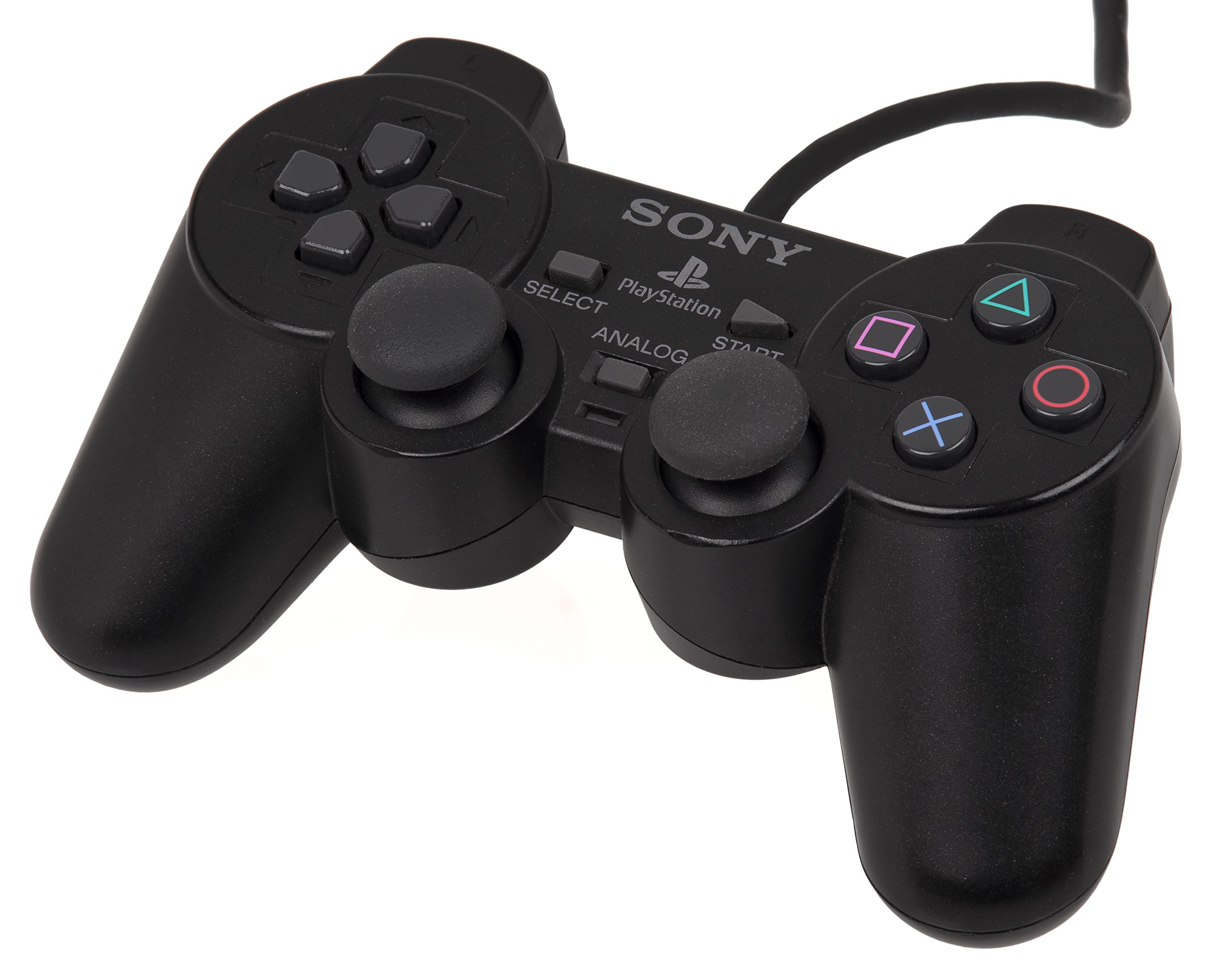
Pressure-Sensitive Analog Input Technology
The defining technical achievement of the controller is its widespread adoption of analog pressure-sensitive buttons. Unlike standard digital inputs that only register an open or closed state, every primary action face button and directional pad arrow tracks varying degrees of user force. The internal membrane translates physical thumb pressure into a spectrum of numerical values, giving software developers the freedom to map throttle, braking intensity, or varying sword-swing strengths directly to how hard a player presses a button. This breakthrough drastically reduced the need for complex multi-button combinations, offering highly intuitive physical interfaces for driving simulations and intricate action games alike.
Complementing this pressure sensitivity is the enhanced precision of the dual analog thumbsticks, which received tighter physical tension and an expanded range of motion compared to the original generation. The structural refinement minimized dead zones and provided incredibly smooth rotational tracking, which proved vital for the industry's rapid shift toward fully three-dimensional camera movement and first-person aiming mechanics. Furthermore, the dual-motor vibration feedback array was optimized within the lightweight black shell, delivering distinct rumble intensities that synchronized precisely with on-screen physics events.
Physical Connectivity and Multi-Tap Infrastructure
The peripheral relies on a dedicated proprietary wired controller port interface that ensures instantaneous data transmission with virtually zero input latency. This robust physical connection feeds directly into the console bus, maintaining an uninterrupted data stream even during complex gameplay sequences that demand rapid, simultaneous button inputs. Because the hardware shell was molded with lightweight materials, players could endure extended gaming sessions comfortably without experiencing the hand fatigue often associated with heavier battery packs found in later wireless generations.
To accommodate large social gatherings, the system utilizes an external hardware expansion known as the PlayStation 2 Multi-Tap accessory. Because the base console chassis only features two native ports, this wedge-shaped adapter plugs directly into a single slot to split the channel into four independent controller and memory card inputs. By connecting two separate Multi-Tap accessories simultaneously, the system bus scales up to support up to eight concurrent players on a single console, laying the technical foundation for legendary local multiplayer sports, racing, and party game experiences.
Ecosystem Backward and Forward Compatibility
Sony prioritized consumer flexibility by establishing an elegant framework of cross-generation peripheral compatibility. Owners of the original PlayStation could plug their legacy digital or first-generation DualShock controllers directly into the newer console ports to play a vast majority of standard software titles without purchasing new gear. However, certain advanced software experiences built exclusively for the newer console strictly mandate the use of the updated peripheral, refusing to boot if the internal system architecture fails to detect the specialized pressure-sensitive electronic traces of the newer controller type.
This strict hardware standard reversed direction with the arrival of the subsequent console generation, which abandoned the proprietary analog plug entirely. Because later systems transitioned completely to standard USB architectures, original controllers cannot connect natively to newer platforms without the use of third-party electronic signal conversion adapters. Despite this physical boundary, the original design philosophy, button geography, and structural contours established by this input device went on to heavily inspire the core ergonomics of gaming peripherals for decades to come.
 PlayStation 2 games support
Support: DVD
PlayStation 2 games
Games library: 3800
PlayStation 2 story
The PlayStation 2, often abbreviated as PS2, represents one of the most successful and influential video game consoles in the history of gaming. Launched by Sony in 2000, the PS2's development, launch, and market reception are notable for their impact on the gaming industry and the broader entertainment landscape.
The development of the PlayStation 2 was driven by Sony's ambition to build on the success of its original PlayStation, which had established the company as a major player in the console market. By the late 1990s, Sony recognized the need to advance its technology to maintain its competitive edge. The PS2 was designed with several innovative features and improvements over its predecessor. Central to its development was the decision to incorporate a Emotion Engine CPU, which was a powerful 128-bit processor capable of delivering high-quality graphics and processing power. This was complemented by a Graphics Synthesizer GPU, designed to produce impressive visual effects and support complex 3D environments.
Additionally, the PS2 was notable for its inclusion of a DVD drive, a feature that distinguished it from other consoles of its time. This decision was strategic, as it allowed the PS2 to function not only as a gaming machine but also as a home entertainment device capable of playing DVDs. This dual functionality provided a significant value proposition to consumers, offering them an all-in-one solution for both gaming and movie playback.
The development process also involved significant collaboration with third-party developers. Sony worked to ensure that the PS2 would have a strong lineup of games at launch, and its powerful hardware was designed to attract developers who could create innovative and visually stunning titles. This effort was critical in establishing the PS2 as a leading platform for high-quality games.
The launch of the PlayStation 2 on March 4, 2000, in Japan, and later on October 26, 2000, in North America, was a highly anticipated event in the gaming industry. The console's release was supported by an extensive marketing campaign that highlighted its technological advancements and multimedia capabilities. The PS2’s launch lineup included a variety of games designed to showcase its capabilities, such as “Tekken Tag Tournament” and “Ridge Racer V,” which helped to generate excitement and demonstrate the console’s power and versatility.
The launch was met with overwhelming demand, and the PS2 quickly became a hot commodity. Sony’s marketing strategy effectively communicated the console’s advantages, including its advanced graphics, DVD functionality, and broad game library. The PS2’s initial success was bolstered by its ability to offer backward compatibility with original PlayStation games, providing added value to those who already owned a PlayStation and wanted to continue enjoying their existing game library on the new system.
The market reception of the PlayStation 2 was exceptional, solidifying its position as a market leader in the gaming industry. The console's combination of powerful hardware, multimedia capabilities, and a strong lineup of games contributed to its widespread appeal. The PS2’s extensive game library, which eventually grew to include thousands of titles, was a major factor in its success. The console hosted a range of genres and franchises, from action and adventure to RPGs and sports, catering to a diverse audience and maintaining strong sales throughout its lifecycle.
The PS2’s success was also influenced by its ability to attract third-party developers, who produced many critically acclaimed and commercially successful games. Iconic titles such as “Grand Theft Auto III,” “Metal Gear Solid 2: Sons of Liberty,” and “Final Fantasy X” became defining moments for the console and helped to cement its reputation as a leading gaming platform.
The PS2's market dominance was reflected in its sales figures, making it the best-selling video game console of all time. By the end of its lifecycle, the PS2 had sold over 155 million units worldwide, a testament to its widespread popularity and enduring appeal. Its success helped establish Sony’s PlayStation brand as a dominant force in the gaming industry and set a high standard for future consoles.
However, the PS2’s dominance was not without competition. During its lifecycle, the console faced challenges from competitors such as Microsoft’s Xbox and Nintendo’s GameCube. Despite this, the PS2’s strong game library, multimedia capabilities, and established market presence helped it maintain a leading position in the industry.
The PlayStation 2’s development, launch, and market reception illustrate its profound impact on the gaming industry. Its innovative hardware, multimedia features, and extensive game library contributed to its success and solidified its legacy as one of the most influential gaming consoles ever produced. The PS2’s achievements paved the way for future advancements in gaming technology and established a benchmark for success in the video game market.
Previous Sony console: PlayStation
Next Sony console: PlayStation 3
Contemporary consoles of PlayStation 2
-
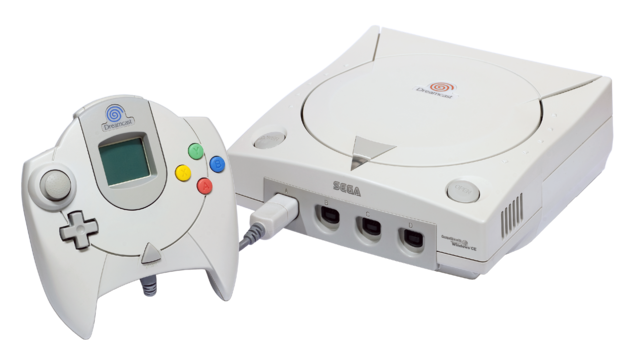 DreamCast
Manufacturer: Sega
Launched: 1998
Generation: 6th
CPU: Hitachi SH4
Memory: 16 MB
More ↓ -
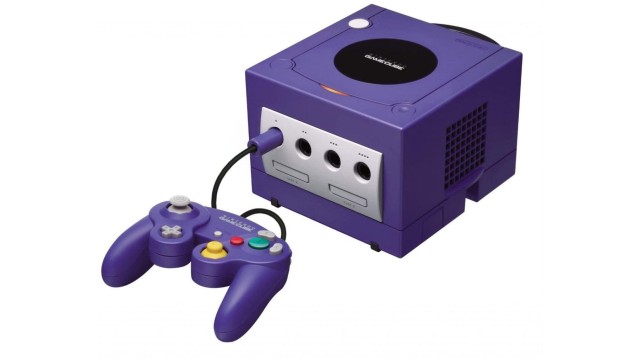 GameCube
Manufacturer: Nintendo
Launched: 2001
Generation: 6th
CPU: IBM PowerPC Gekko
Memory: 24 MB
More ↓ -
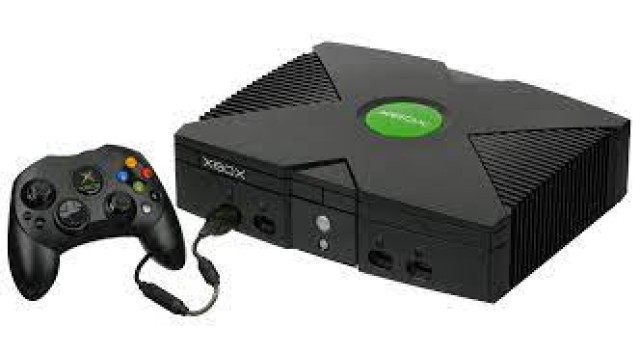 Xbox
Xbox
Manufacturer: Microsoft
Launched: 2001
Generation: 6th
CPU: Pentium III
Memory: 64 MB
More ↓